Arabica
$6.40USD / kg
 Let’s talk coffee
Kyanyiga Coffee Estate
Arabica and Robusta for roasters and importers.
Tell us your origin, volume and delivery window.
COFFEE MARKET WATCH
Global price history and Uganda’s export averages, with dates and sources.
GLOBAL COFFEE / THE LONG VIEW
January 1960 – October 2026
Monthly averages · USD / kg
Source: World Bank Pink Sheet ↗ · Updated 3 November 2026. Nominal USD, without inflation adjustment. Global ICO indicator averages, separate from Uganda export values and Kyanyiga’s selling prices. Download all 802 monthly observations ↓
Reported monthly national export averages, rounded by the source. These are historical observations, not exchange quotes or Kyanyiga selling prices. The price history uses a separate global source; these cards show Uganda’s national export averages.
Try a mock quotation ↗SOURCING & TRADE
Our coffee offer begins with Uganda’s Arabica and Robusta. We’re checking suppliers and assessing samples for roasters and importers.
We’re exploring Arabica from Mount Elgon and Rwenzori, and Robusta from central and southwestern Uganda. Ask us about an origin or a sample. We’ll confirm the specifications and availability for each lot.
Get to know KyanyigaKYANYIGA / IN PICTURES
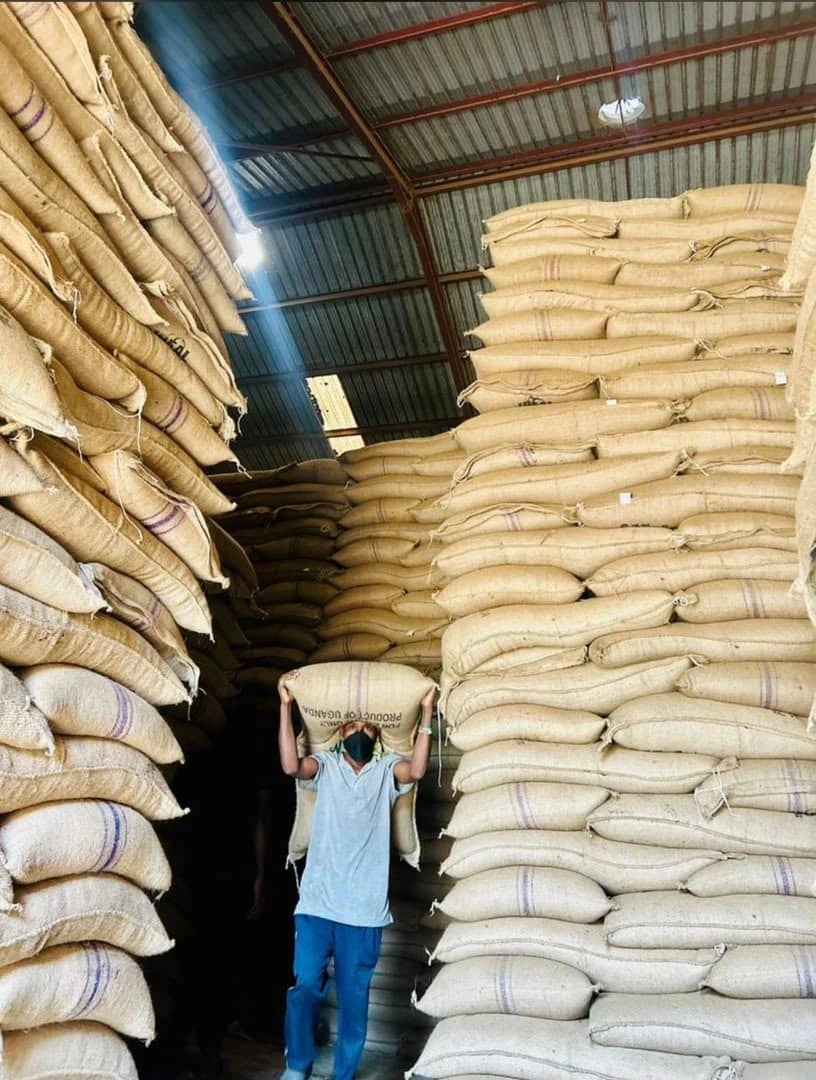
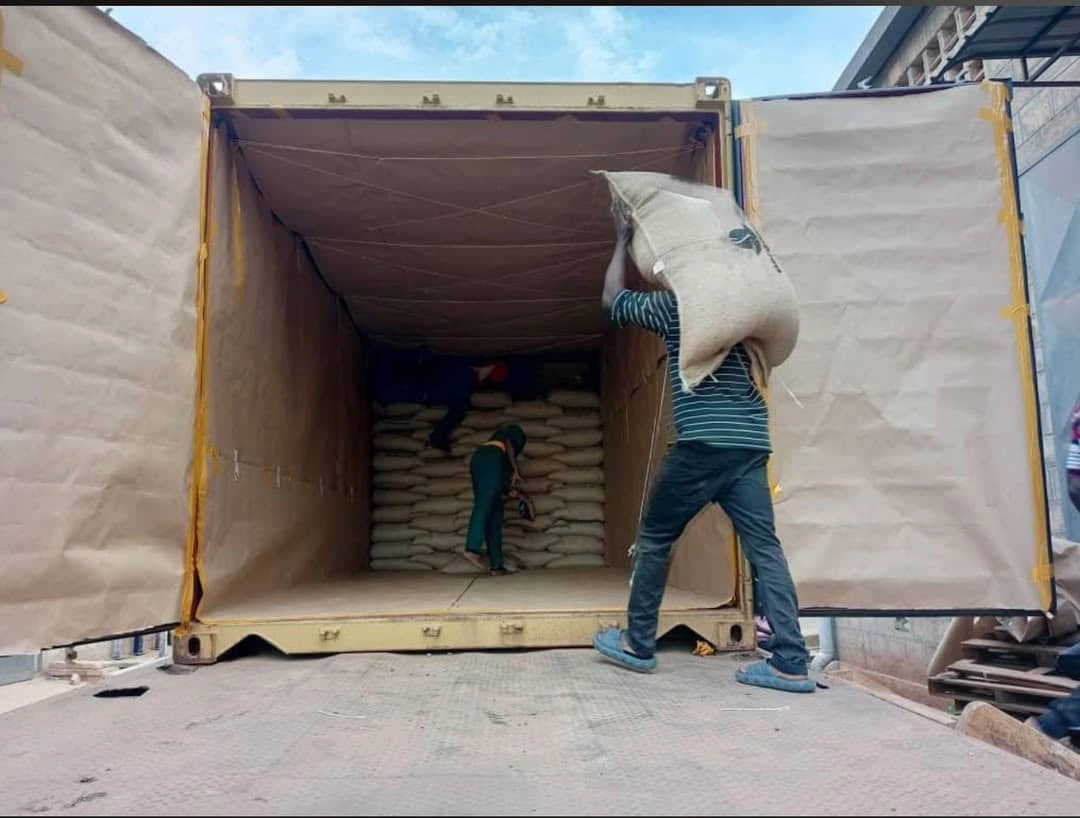
Photographs of the people, storage and loading work behind Kyanyiga’s coffee operations.
Talk coffee with us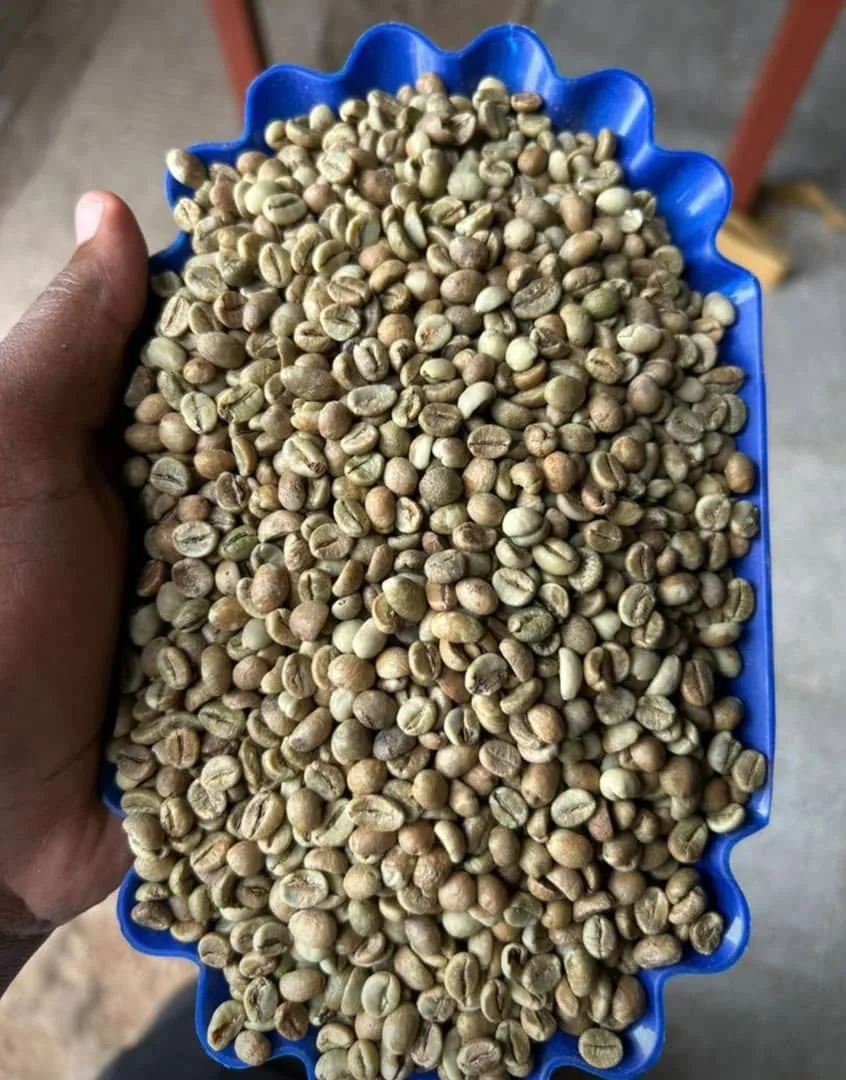
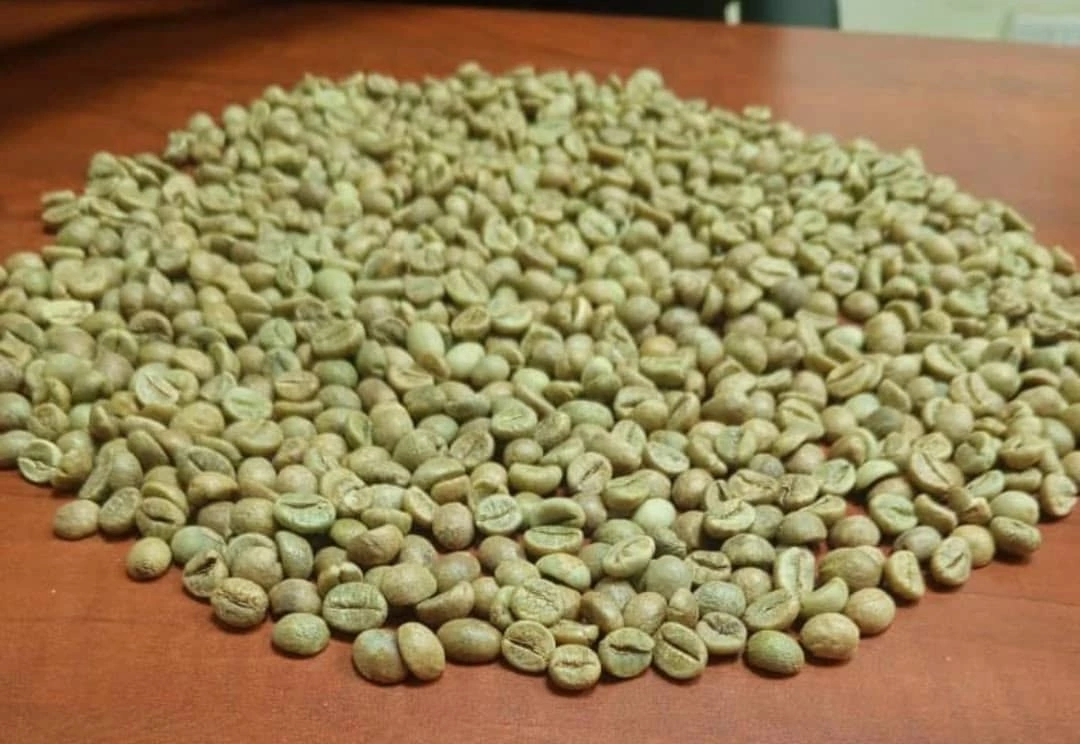
A green-coffee sample, ready for discussion.
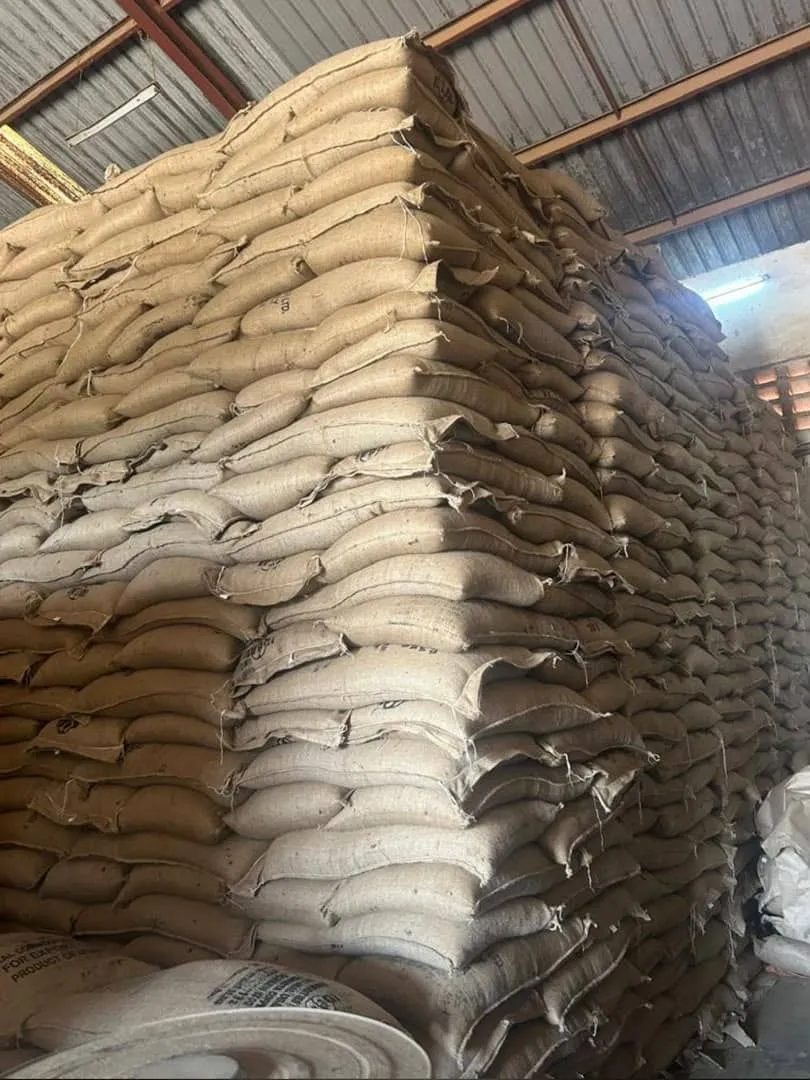
Coffee sacks stored under cover.
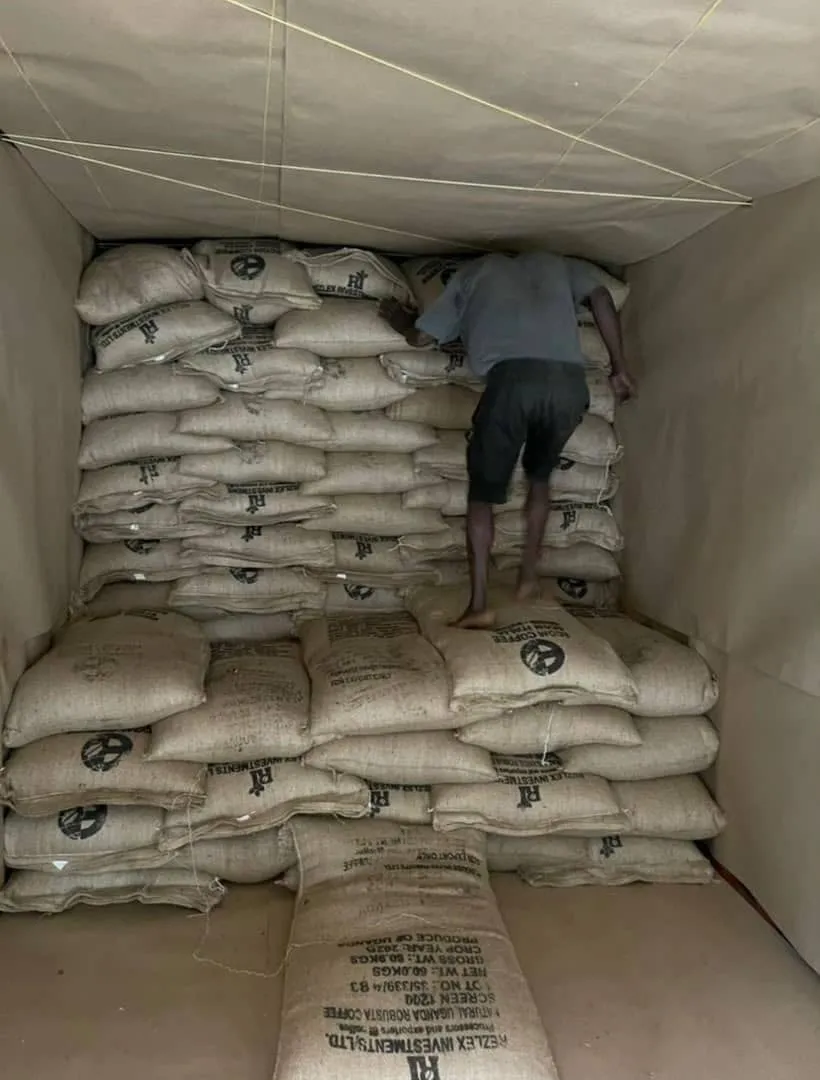
Arranging sacks inside a lined container.
Photographs from Kyanyiga’s operations.
COFFEE / IN MOTION
Watch processing, storage and loading clips from the supplied operations footage.
Visible films play on a muted loop. Pause any time. Swipe or use the arrows to explore.
01 / The coffee
Compare proposed origins, processing methods
and grades. Ask us about samples.
Arabica · Eastern Uganda
Partner-provided concept
Arabica · Western Uganda
Partner-provided concept
Robusta · Central & southwestern Uganda
Proposed collection
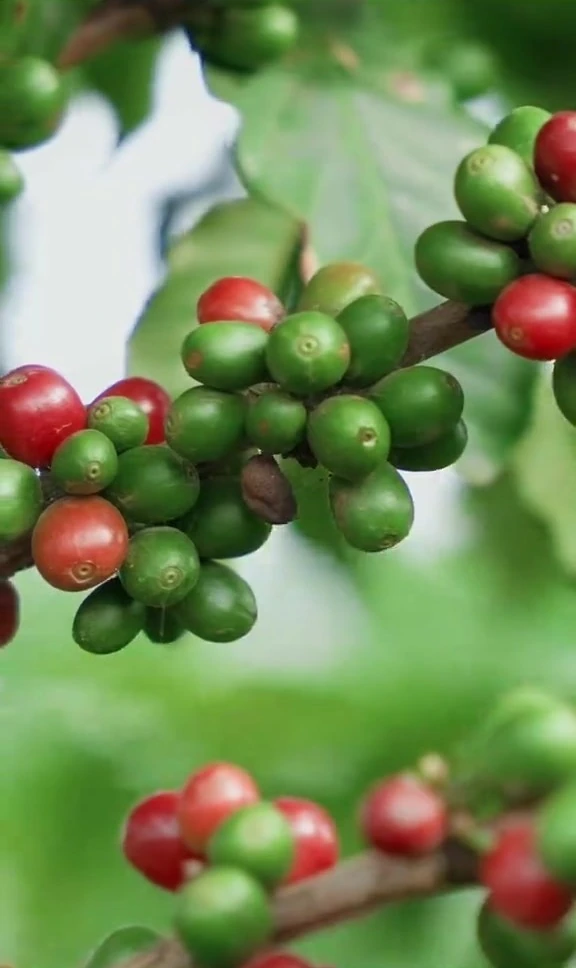
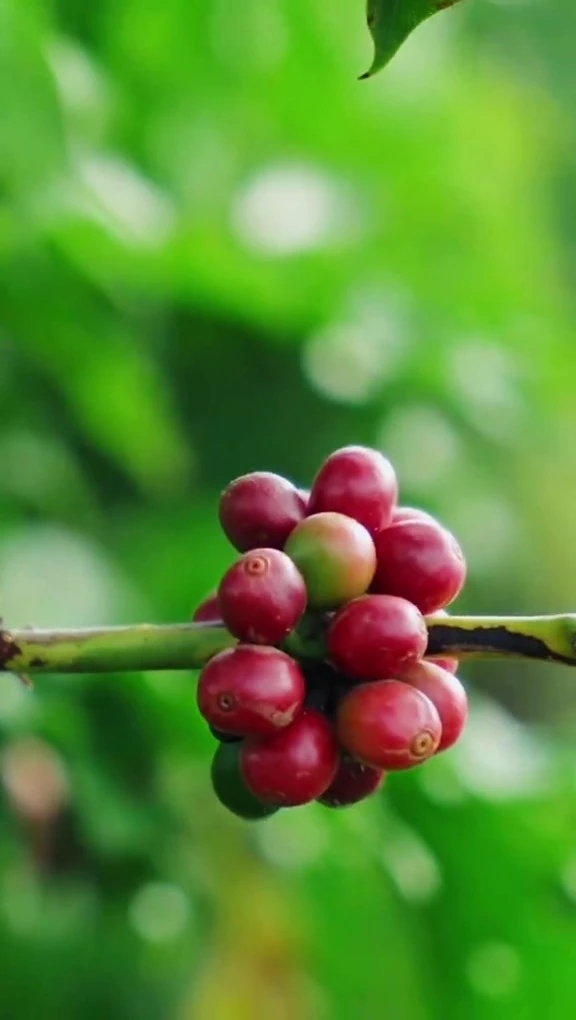
Collections in development. Names, specifications and availability will be confirmed per lot. Coffee photographs are illustrative company-profile and supplied reference images.
UGANDA / NATIONAL COFFEE DATA
Monthly national exports from Uganda’s official coffee report. Kyanyiga’s own sales and estate figures will be reported separately.
60 kg statistical bags
September 2026
per kg · calculated from totals
MONTHLY VOLUME / 60 KG BAGS
Sources: August report and September report. Checked 7 November 2026.
ORIGIN & QUALITY
Uganda grows Arabica and Robusta across different regions. Use the regional profiles as a starting point, then assess a sample from the lot you plan to buy.
Read about Uganda’s coffee profiles ↗02 / The places we’re exploring
Twelve locations in our sourcing research.
Select a region for locations and verification status.
Approximate regional positions, not farms. Outline: Natural Earth, via the company profile.
Arabica
Eastern Uganda
The eastern highlands are the starting point for our proposed Mount Elgon Arabica collection. The profile identifies three locations for supplier and product verification.
Locations in the profile
Proposed washed Arabica. Grade and cup character require lot assessment.
Talk about this originCoffee imagery is illustrative. These are proposed sourcing locations from our company profile. Supplier relationships and farm origins require verification before they become part of a public lot record.
03 / Farmer traceability
We plan to link each lot to its supplier, growing location, sample and quality results.
The record keeps farm origin separate from buying and processing points. A sample ID connects the quality results and trade documents to the same coffee.
See the proposed lot record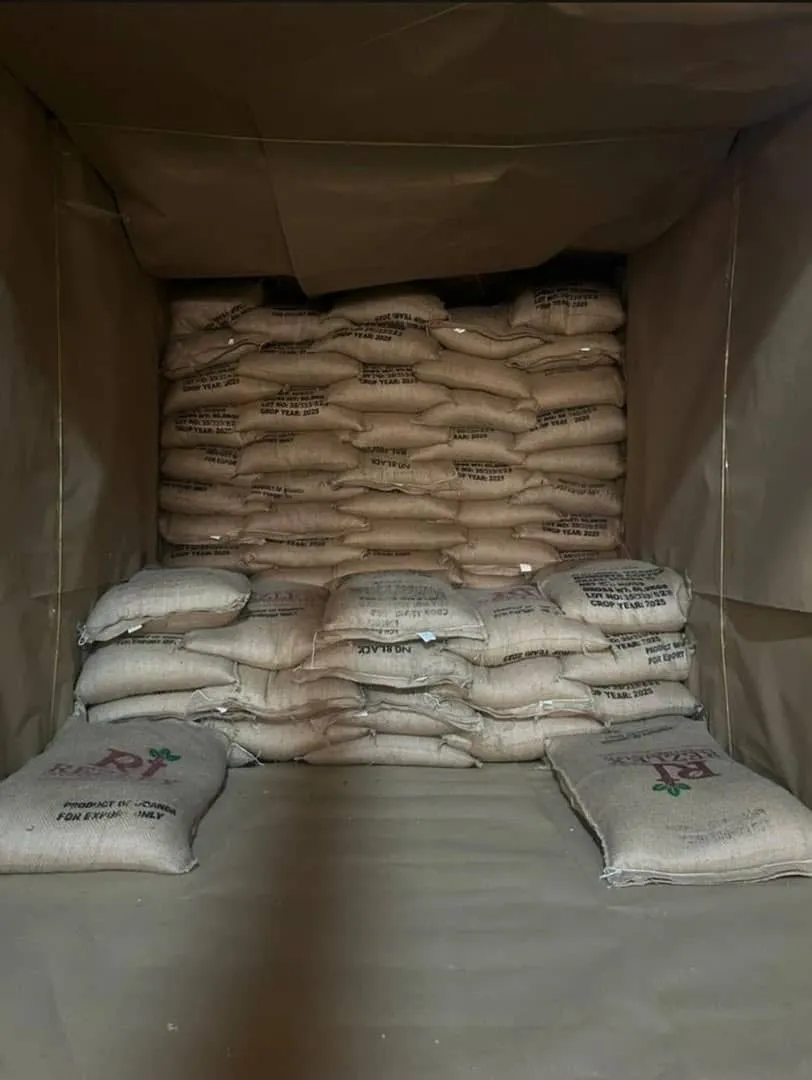
Farmer details and precise farm locations stay private. Public coffee information will use verified, appropriate origin details.

What a lot record will contain
The details we plan to record
Identity, supplier type and verification evidence.
Farm origin recorded separately from the buying point.
Unique IDs linking samples, coffee and documents.
Process, moisture, grade, defects and cup assessment.
Approved specifications, shipment records and feedback.
04 / THE SOURCING PROCESS
Follow the supplier checks, samples and quality records
we plan to use before agreeing a trade.
Explore each step at your own pace.
STEP 01 / 05
Identify the producer, farmer group or supplier. Record the growing location and visit to verify the relationship, production and practices.
Supplier identity · Origin evidence · Verification status
People at this stage
Clear buying terms and support with traceability registration.
Evidence to distinguish the grower, agent and collection point.
Choose a stage to see the records and people involved.
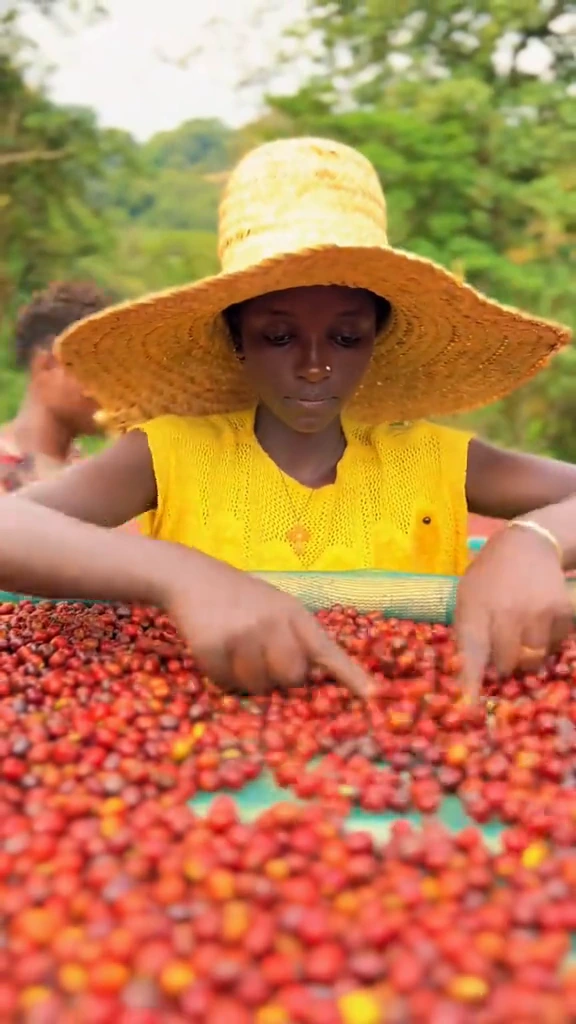
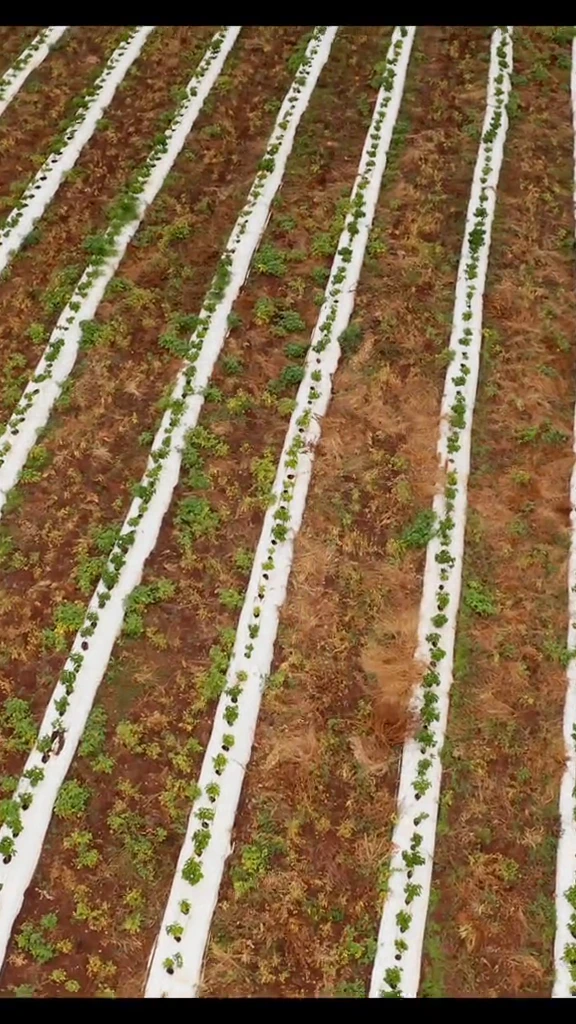
Growing imagery is illustrative; operations photographs are from Kyanyiga. An explanation of the model in development, with intended benefits. It does not represent a completed shipment or measured impact.
COFFEE JOURNAL
Read about Uganda’s exports, coffee prices and the records behind a lot. Sources checked 7 November 2026.
Browse the journal ↗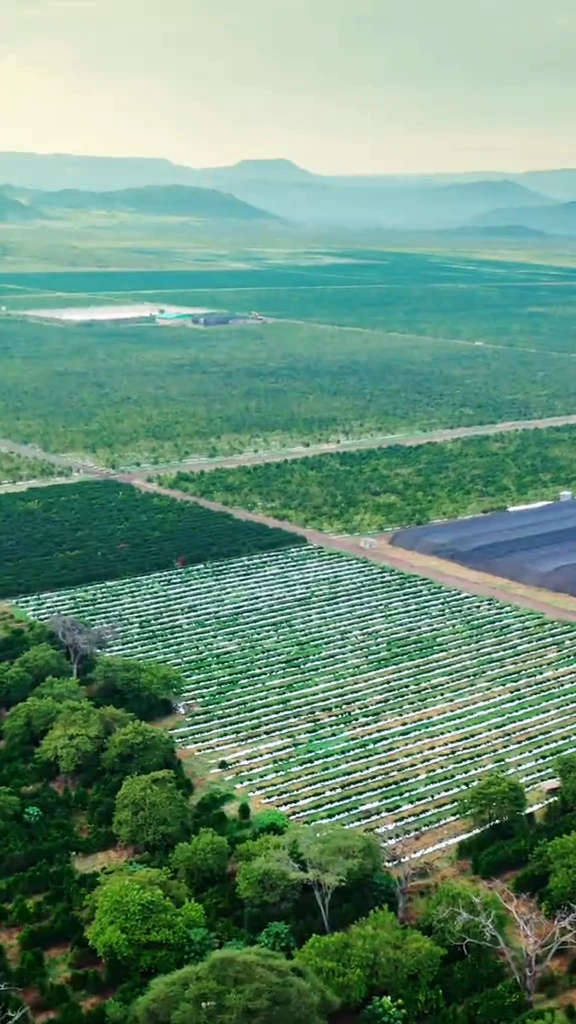
September 2026
The official monthly report records 735,435 bags and US$186.9 million in exports.
Read article ↗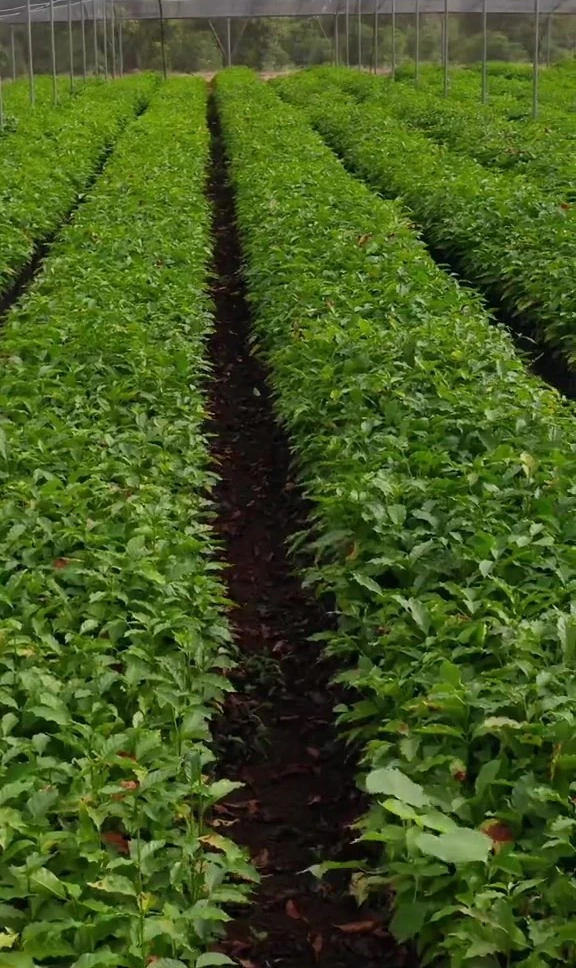
Explainer
Understand cents per pound, dollars per tonne, and the separate price of a specific lot.
Read article ↗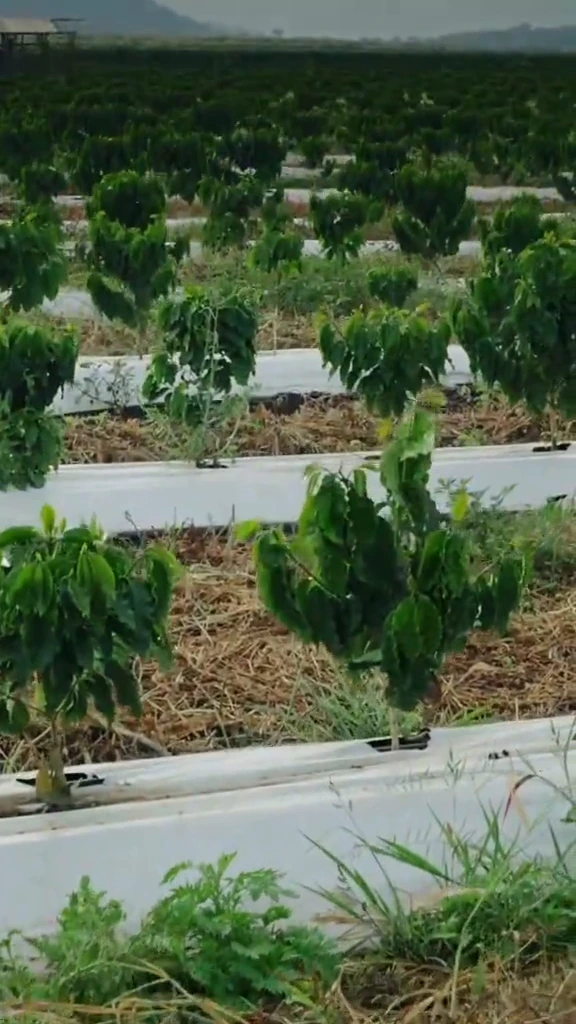
Reference guide
Regional profiles provide context. A sample establishes the quality of the coffee being offered.
Read article ↗